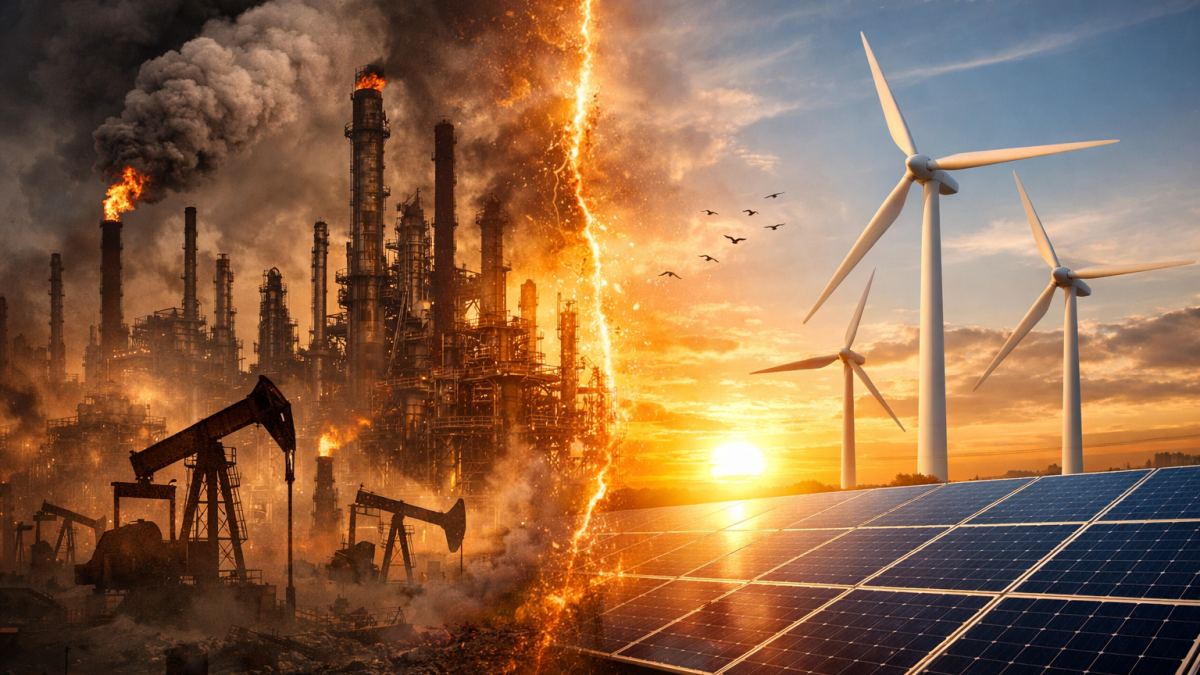
It has been almost a decade since the popular global climate protests. People were concerned for the planet, worried about their future, and hoping for a sustainable global economy. Global warming was beginning to show its ugly face, with floods, intense heat, and water scarcity across the world. People stood up and marched for Mother Earth. Extinction Rebellion, or XR as we call it, grew out of this movement, building several offshoots to further develop the foundations laid by Greenpeace and others in the early 2000s. There was a massive push and political support for the sustainability movement. Granted, there were some grey areas and shady number picking in the emissions business, but the hope was still alive.
The first shock came through COVID. Countries and economies stepped back from their commitments temporarily to focus on their nation’s health and well-being. After two years of recovery, the world forgot about the path it had been on, and today it is caught in a myriad of foreign interferences, genocides, and an unstable global economy. The Middle East has had a lot to do with it, but so has the oil and gas industry that is entrenched in every nation’s political class. They realized that the best way to put off sustainability was to keep people occupied, busy with life’s struggles and more immediate issues such as war and rising repression of the general public and political freedom.
However, the pendulum swings again, but this time its being pulled. The Gulf oil crisis that unfolded due to erratic offensive and defensive posturing between the world’s superpowers has created yet another crisis for oil-dependent economies. The wind from the East carried with it technology, intellectual property, and a whole range of affordable electrical energy-producing goods. The West might have to do what the Chinese did best, copy and learn. One of the issues with this new future is the intense scrutiny over one country being the factory of the world.
With the rise in robotics and AI, this large scale of manufacturing and cheap electricity within the borders of China gives it an enormous advantage to further reduce its costs, that makes it possible to push its products into foreign markets at attractive rates where local manufacturers might struggle to compete. For sustainability to be truly sustainable, we need to diversify and decentralize the renewable energy industry, from its knowledge base to manufacturing to associated services and support systems. Renewable energy, to create the best impact for the planet and its people, has to be a common good.
The grids are the weak points here. The lack of resilience in today’s energy infrastructure makes it a wild ride for power networks when large renewable energy installations are connected to them. This is simply due to the variability, the inherent variability, in natural phenomena. This shows us that the future lies in living in harmony with nature. When the sun was bright or the winds blew, people used to dry their harvests, or set sail on boats. When the tides came in, expeditions began. The reliance on hydrocarbons in our lives today shows the lack of nature’s rhythm, in our lives. In the old days, when night came, life stopped. Today, nightlife has become mainstream.
It is high time for us to begin building a world around nature, a life around nature, an economy around nature, not just with trees, but where the very rhythm, the heartbeat of our lives and the economies we live in, beats to the tune of nature.
